Our Location
304 North Cardinal St.
Dorchester Center, MA 02124
304 North Cardinal St.
Dorchester Center, MA 02124
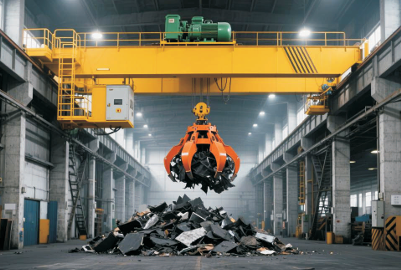
Across the industrial spectrum—from the intense heat of steel mills to the precise environments of automotive assembly lines, from sprawling port terminals to highly automated e commerce fulfillment centers—intelligent crane systems have evolved from simple lifting devices into the ubiquitous experts of modern material handling. As an engineer with deep experience in automation, I’ve observed this shift firsthand: today’s cranes don’t just move loads; they perceive, decide, and execute with remarkable adaptability. Whether performing demanding tasks like slag removal in steel plants, accurately handling coiled materials, or managing diverse items from rods and plates to waste, intelligent cranes have redefined efficiency and safety. What has enabled such pervasive adoption? Let’s examine the drivers behind their expanding role.
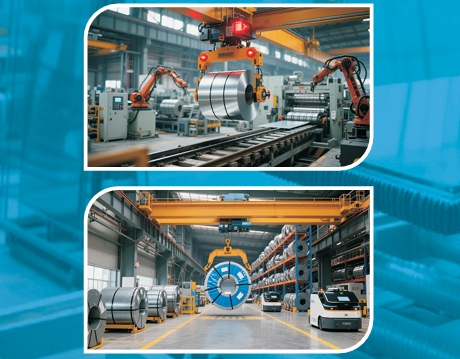
A key factor is precision. In steel and heavy industries, cranes equipped with laser positioning systems and adaptive anti-sway control handle multiton loads with millimeter accuracy, even in high-temperature, volatile environments. This capability directly addresses core industrial needs: reducing operational risk, minimizing product damage, and enhancing throughput. Not surprisingly, search interest in “high-precision crane automation” and “heavy-duty intelligent crane solutions” continues to grow as operators seek to modernize legacy infrastructure.
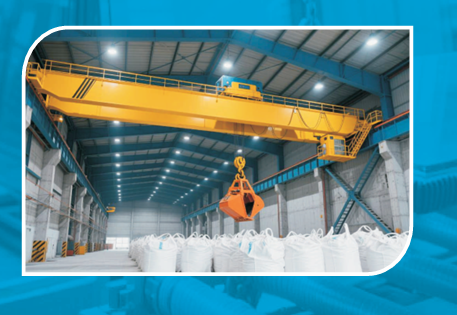
Beyond heavy industry, versatility drives adoption. In construction, manufacturing, and recycling, modern intelligent crane systems demonstrate remarkable flexibility—grasping bulk goods, transporting long profiles, positioning delicate sheets, or sorting scrap with equal proficiency. This adaptability is powered by advanced end-effector designs, integrated sensor suites, and smart control algorithms. For plant managers exploring automation, queries such as “multi-functional crane automation” and “adaptive crane gripping systems” reflect a practical focus on equipment that can perform varied tasks without frequent reconfiguration.
The logistics and warehousing sector presents another major growth area. Here, intelligent cranes serve as the core of Automated Storage and Retrieval Systems (AS/RS), enabling high-density, 24/7 operations with real-time inventory visibility. They navigate narrow aisles, optimize storage placement, and respond dynamically to WMS commands—key reasons why terms like “smart AS/RS technology” and “automated warehouse crane systems” rank prominently in industry-related searches. In an era defined by ecommerce speed and accuracy, these systems are no longer optional but essential for competitive scalability.
Ports and intermodal terminals worldwide are undergoing a similar transformation. Automated stacking cranes, guided by GPS, IoT connectivity, and AI-enhanced logistics software, significantly accelerate container handling while reducing idle time and labor-dependent errors. This operational shift aligns with rising search activity around “automated port crane systems” and “container terminal automation”—indicators of an industry prioritizing efficiency, safety, and sustainability in global supply chains.
Energy and infrastructure projects further illustrate the reach of intelligent crane technology. In renewable energy installation—whether positioning wind turbine blades with sub-degree accuracy or placing solar array components—cranes provide the precision and reliability required in sensitive, large-scale projects. Consequently, professionals increasingly search for “precision crane systems for energy projects” and “renewable energy installation automation“, recognizing that specialized handling solutions can significantly impact project timelines and safety outcomes.
Looking forward, the evolution of intelligent cranes is closely tied to broader digital integration. As part of Industrial IoT ecosystems, these systems will increasingly leverage data for predictive maintenance, energy optimization, and seamless coordination with other automated equipment. For forward-looking organizations, the salient question is no longer whether to adopt intelligent crane technology, but how to implement it most effectively to achieve operational excellence and a tangible return on investment.
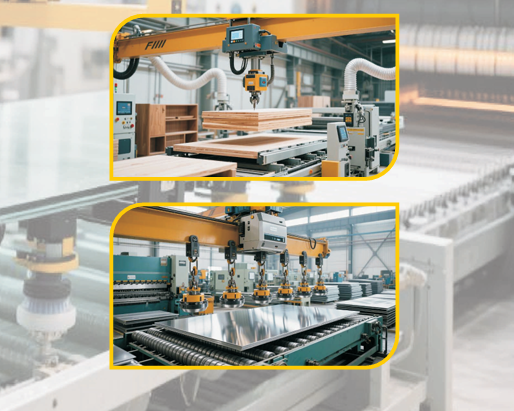
If you are considering how intelligent crane systems could enhance your operations—whether in manufacturing, logistics, heavy industry, or energy—our engineering and automation team offers expertise across feasibility assessment, system design, and integration. We help translate technological potential into reliable, daily performance.
To explore use cases specific to your industry or to receive a detailed consultation on intelligent crane solutions, please contact our specialist team. Let’s discuss how to harness these advanced systems to elevate your productivity, safety, and competitive standing.